Garment care note
What dry cleaning can and cannot fix
Dry cleaning is excellent garment care, but it is not magic. It can remove many kinds of soil, improve stains, refresh garments, and restore shape through finishing. It cannot reverse permanent fabric damage, color loss, wear, shrinkage, or every stain.
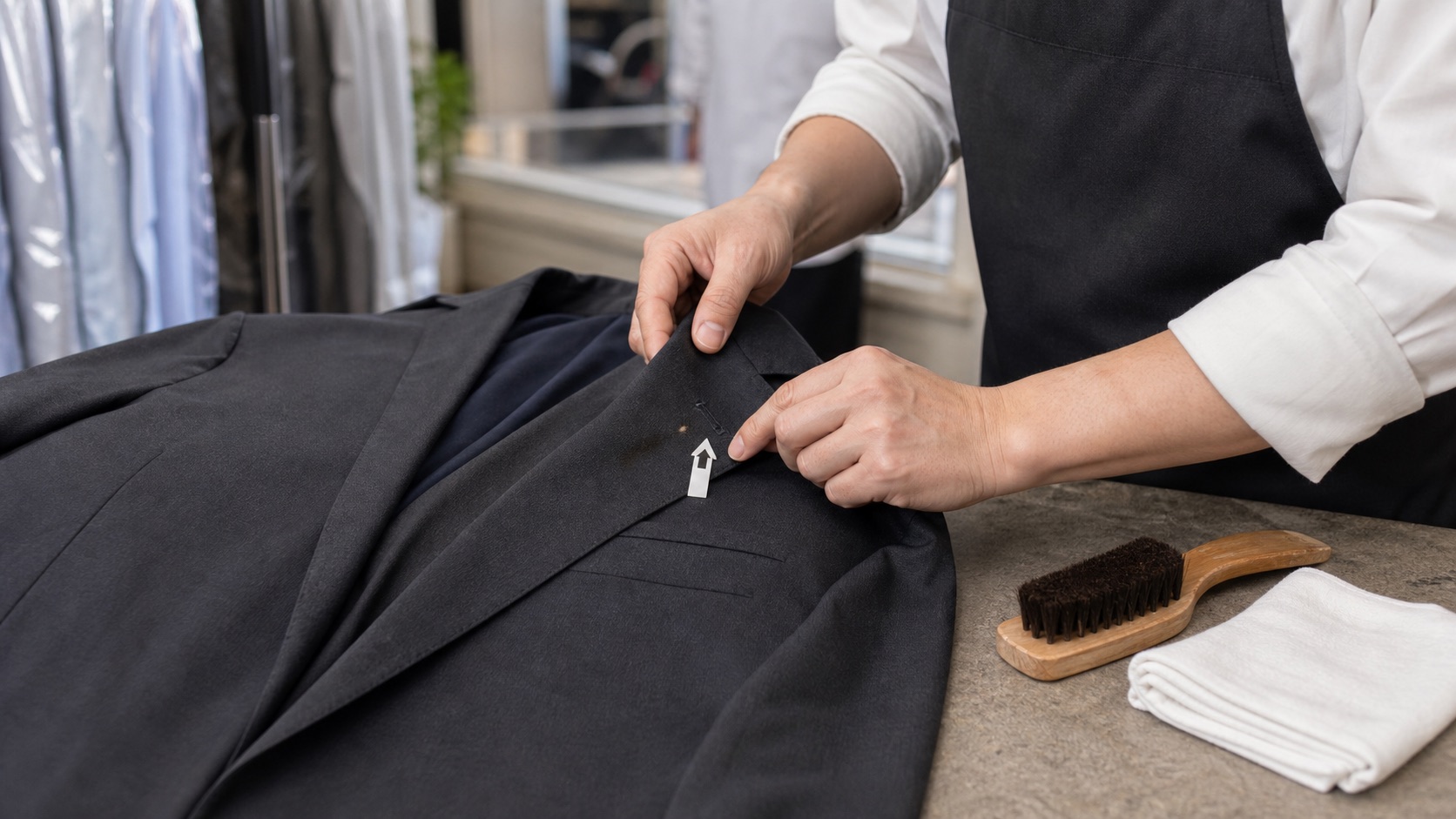
One of the most common questions customers have is simple: can dry cleaning fix this?
The honest answer is: sometimes yes, sometimes no, and often it depends on what happened before the garment reached the cleaner. Dry cleaning is a professional cleaning process, but it is still working with fabric, dye, construction, wear, heat history, old stains, and previous home treatment. A good cleaner can improve many problems. No cleaner can reverse everything.
That may sound less exciting than a promise, but it is the truth. And knowing the difference can help you protect the clothes you care about.
What dry cleaning is very good at
Dry cleaning is especially useful for garments that do not respond well to water, twisting, agitation, or heat from home laundry. Instead of washing with water, dry cleaning uses solvent. That can reduce stress on certain fabrics and garment structures compared with water washing.
Dry cleaning is often a good choice for suits, jackets, slacks, dresses, coats, sweaters, lined garments, delicate fabrics, dark garments, and pieces where shape matters. The cleaning itself is only one part of the work. Inspection, stain spotting, drying, pressing, steaming, and finishing all affect the final result.
It can remove everyday soil and body oils
Many garments do not look dramatically dirty, but they still collect body oil, deodorant, dust, food particles, skin contact, perfume, smoke, and general soil. Collars, cuffs, underarms, lapels, pockets, waistbands, and sleeve edges often show this first.
Dry cleaning can remove or reduce a lot of this buildup, especially when the garment is cleaned before soil sits too long. Regular care can help garments look sharper, smell fresher, and last longer.
It can improve many stains
Professional stain removal is one of the biggest reasons to bring a garment to a cleaner. A stain spotter may use steam, vacuum, spotting agents, careful flushing, and judgment based on the fabric and stain type.
Oil, food, makeup, coffee, wine, sauce, ink, deodorant, perspiration, and unknown stains all behave differently. Some stains respond well. Some improve but do not disappear completely. Some are risky because the stain and the garment dye may react together.
The best thing you can do is point out the stain and tell us what caused it if you know. It also helps to tell us whether you used water, stain remover, detergent, bleach, alcohol, heat, an iron, a steamer, or a dryer.
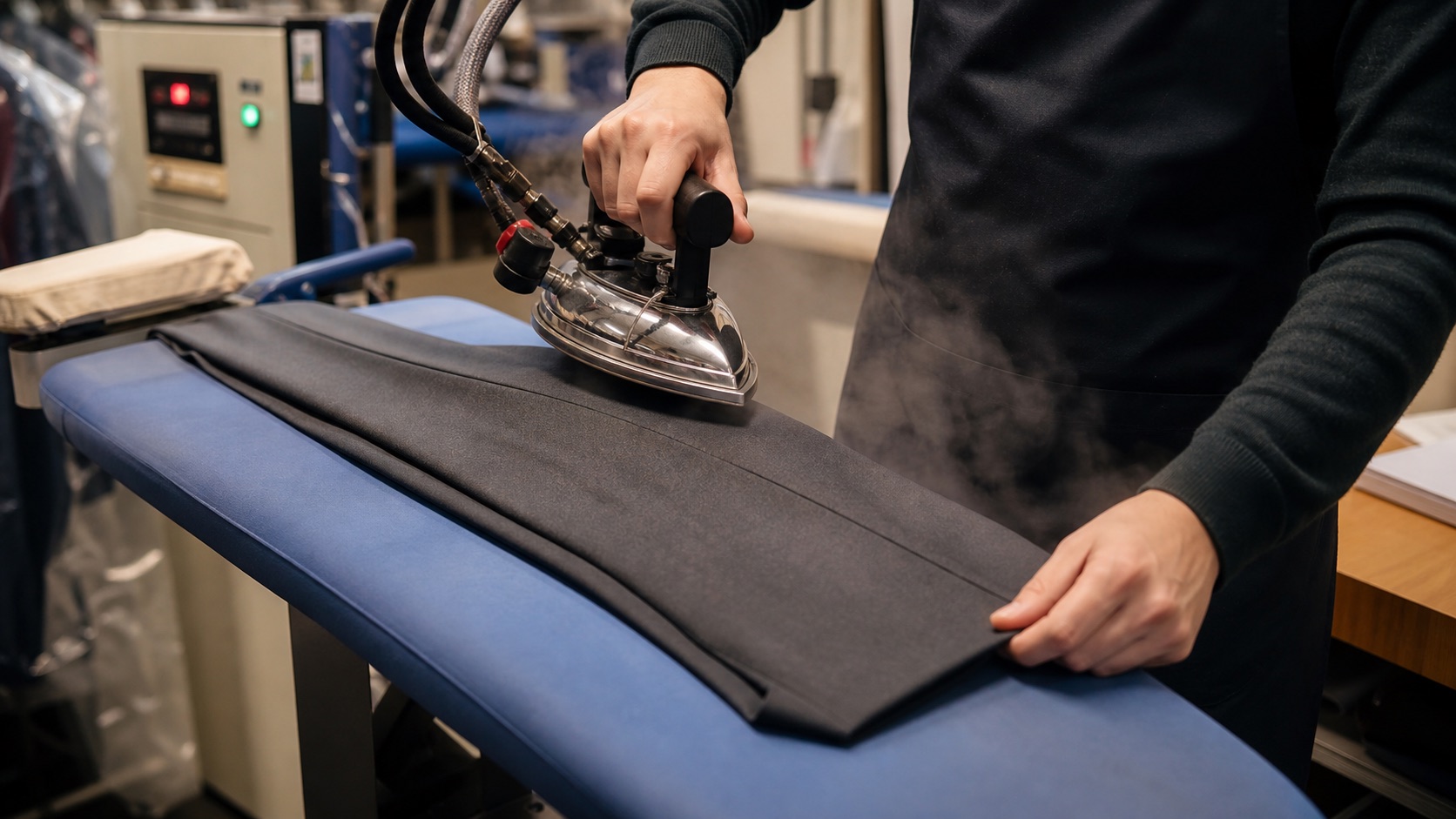
It can restore appearance through pressing and finishing
Sometimes the most visible improvement is not only from cleaning. It is from finishing.
Pressing, steaming, hand finishing, shaping, and creasing can make a garment look crisp again. Slacks can regain a clean crease. Jackets can look more structured. Dresses can hang better. Shirts and blouses can look cleaner and more intentional.
This is one reason professional cleaning looks different from simply washing something at home. A garment can be clean and still look tired if it is not finished correctly.
It can reduce some odors
Dry cleaning can help with many odors, especially when they come from soil, smoke exposure, food, perfume, or normal wear. But odor removal depends on the source. Some odors are trapped in fibers, linings, padding, leather trim, old perspiration, mildew, or previous home treatments.
If odor is the main concern, mention it when you bring the garment in. Odor work may require extra care, and some odor problems cannot be fully removed in one cleaning.
What dry cleaning cannot truly fix
This is the part most people do not hear until something has already gone wrong. Cleaning can remove soil. It cannot rebuild fabric that has been physically or chemically damaged.
It cannot restore lost color
If a garment has faded from sunlight, age, wear, bleach, acne medication, strong chemicals, deodorant reaction, perfume, alcohol, or color loss, cleaning cannot put the original dye back into the fabric.
Sometimes color loss looks like a stain. A light spot on a dark garment may not be something sitting on top of the fabric. It may be missing color. If the dye is gone, cleaning cannot clean it back.
It cannot reverse worn fibers
Fabric wears down over time. Seat areas, elbows, collars, cuffs, thighs, pocket edges, underarms, hems, and shoulder areas can become thin, shiny, fuzzy, weak, or rough from use.
Dry cleaning can make a garment cleaner. It cannot make worn fibers new again. If the fabric is already thinning or breaking, cleaning may reveal the damage more clearly because the soil that was hiding it is gone.
It cannot fix holes, tears, or broken seams by cleaning alone
Cleaning does not repair fabric structure. Holes, tears, open seams, loose hems, missing buttons, broken zippers, and ripped linings need repair or alteration work, not just cleaning.
The good news is that many repair problems can be looked at in the store. Pants hems, some seam repairs, minor fixes, and alteration questions are often best judged in person.
It cannot always remove set stains
Some stains become much harder to remove after heat, time, home stain removers, washing, drying, ironing, or steaming. Heat can set certain stains. Rubbing can push stains deeper. Bleach and strong chemicals can remove color permanently.
This is why we often say: if you are in doubt, do not wash it, and do not dry it. Blot gently with a clean white cloth and bring the garment in before experimenting.
It cannot guarantee shrinkage reversal
Some shrinkage can relax slightly during finishing, depending on the fabric and construction. But true shrinkage, felting, distortion, or garment warping may not be reversible.
This is especially important with wool, rayon, knits, sweaters, lined garments, and garments that have already been washed or dried at home. Once the structure changes, cleaning may not bring it back to its original size or shape.
It cannot remove every kind of pilling
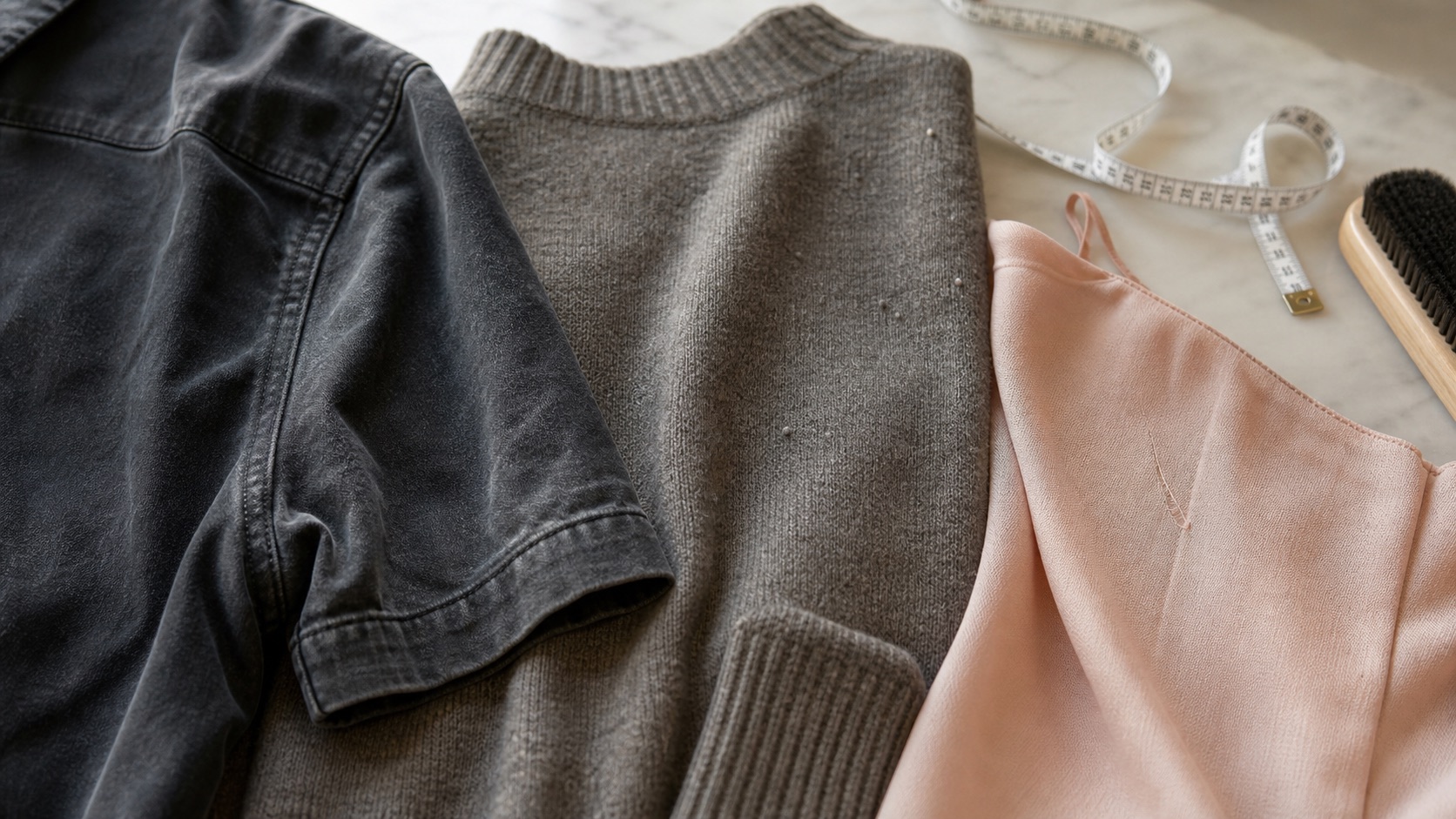
Pilling happens when fibers rub and form small balls on the surface. It is common on sweaters, knits, blends, and high-friction areas. Some pilling can be reduced with careful brushing or fabric shaving, but dry cleaning itself does not prevent fabric from continuing to pill if the fibers are prone to it.
The best results happen before damage becomes permanent
The sooner a garment is inspected, the better the chance of a good result. Fresh stains are usually easier than old stains. Soil is easier before it oxidizes. Odors are easier before they sit. Garments keep their shape better when they are cared for before they are heavily worn.
Bring the garment in and tell us what happened. We would rather inspect it first than have you take a risky guess at home.
A simple way to think about it
Dry cleaning can remove, reduce, refresh, press, finish, and protect. It can often make a garment look much better.
Dry cleaning cannot reverse missing dye, broken fibers, holes, permanent chemical damage, severe shrinkage, or every old set stain.
That difference matters. The goal is not to promise magic. The goal is to give each garment the best possible chance.
Not sure what happened to a garment?
Bring it to Flower Fresh Cleaners at 1728 S Grand Ave, Glendora, CA 91740, or call (626) 914-2545.